


Refrigerator Not Cooling? A Few Things You Can Safely Check at Home
A refrigerator that stops cooling doesn’t always need immediate repair. A few safe at-home checks can help you narrow down the cause first.
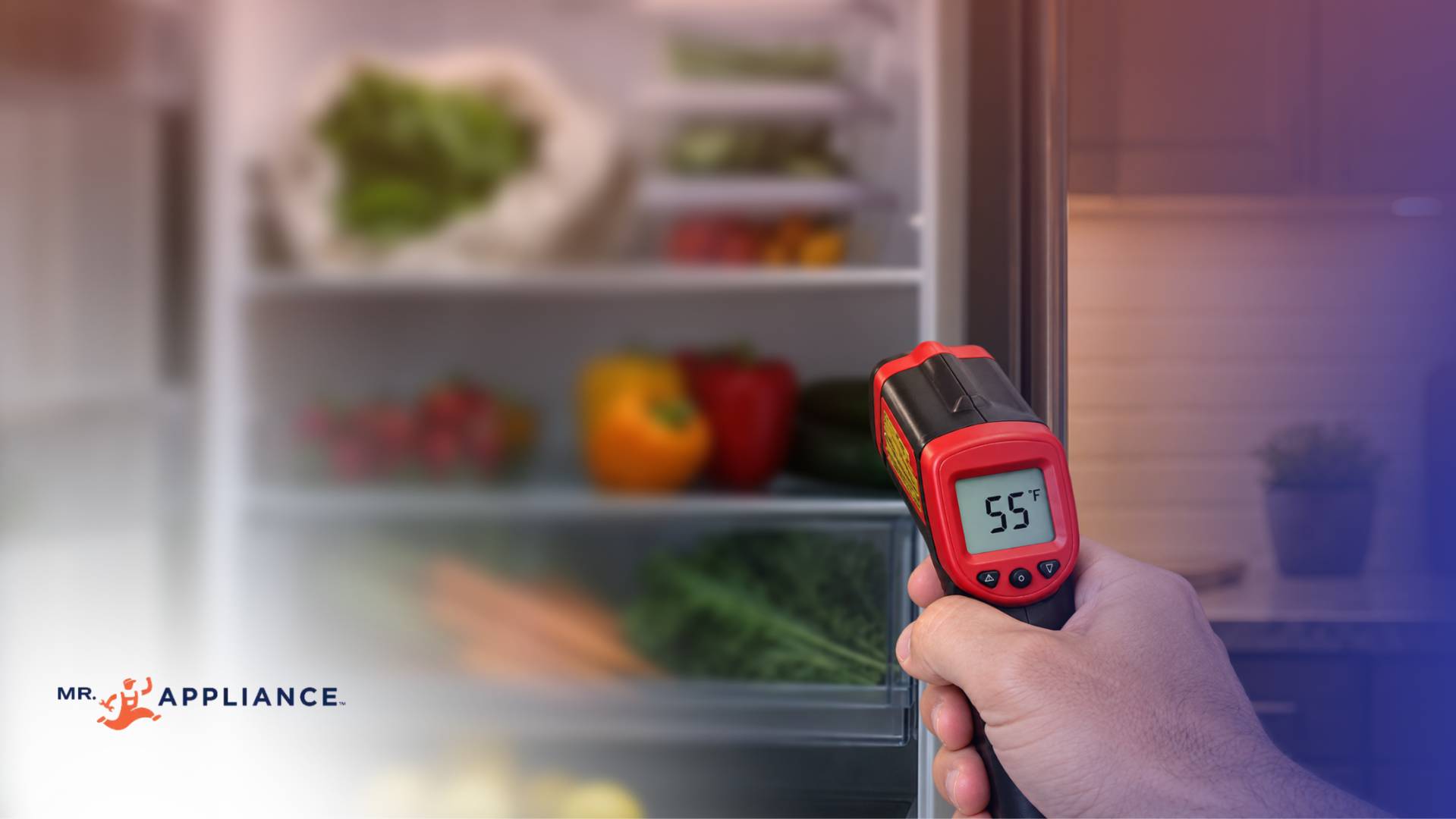
A refrigerator that stops cooling can throw off your whole day. The milk may not feel cold, the freezer may still be running, or you may hear the appliance running, but the temperature keeps rising.
Before you schedule a repair, try a few simple checks to find out why your refrigerator isn't cooling. There are many possible reasons. A setting may have changed, food may be blocking an air vent, or the door may not be sealing properly.
These steps can help you narrow down the issue and know when to call a technician.
1. Check the Temperature and Cooling Settings
Before looking for a bigger problem, check the controls. Someone may have bumped the temperature dial while cleaning, or the refrigerator may have been accidentally switched to “Demo” or “Cooling Off” mode.
Many refrigerators are set around 37°F (2.78°C), but the right setting can vary by model. You may need an appliance thermometer to confirm the inside is actually cold because the display or dial may not tell the whole story.
If you see “Demo,” “Cooling Off,” or a similar message, check your owner’s manual for the right way to turn normal cooling back on. Steps vary by model, so it’s best not to guess. After adjusting the controls, give the refrigerator some time to cool before checking again.
While you troubleshoot, keep food safety in mind. Keep the refrigerator at or below 40°F (4.4°C). If perishable food has been above that temperature for more than two hours, check the USDA guidance before deciding what to keep.
2. Give Cold Air Room to Circulate
If the settings seem fine, check how you've arranged the food. Large containers or tightly packed groceries can block the vents that move cold air around. The refrigerator may still be running, but some areas can end up warmer than others.
Look for vents in both compartments and move anything that’s covering them. It also helps to leave a little space around food at the back of the fridge. Next, give your refrigerator time to cool down.
You can check the owner’s manual to see how long your model needs.
3. Make Sure the Door Seal
A door that doesn’t close all the way can let warm air into the refrigerator. This could be why your refrigerator isn’t cooling. Check that shelves, bins, and food packages aren’t blocking the door. Then look over the rubber seal around the door for crumbs, sticky spots, gaps, or tears.
If the seal is dirty, wipe it with warm water and mild soap, then dry it. If it’s torn or still doesn’t seal properly, you may need to replace it. You'd better check the owner’s manual before adjusting the refrigerator’s feet or door alignment.
4. Check the Condenser Area
Dust and pet hair can build up around the condenser, making it harder for the refrigerator to release heat. Where the condenser is located and whether you should clean it yourself depends on the model.
Take a look at the owner’s manual first. If it says the condenser coils are accessible for homeowner cleaning, follow its instructions and disconnect the power before you begin. Don’t remove covers or reach inside unless your manual says it’s safe.
5. Look for Heavy Frost or Ice
A little frost can happen, but thick ice inside a frost-free refrigerator may block airflow or point to a door-seal or defrost problem.
If you see heavy buildup, don’t chip at it with a knife or try to melt it with a hair dryer. Check your owner’s manual for safe defrosting instructions. If the ice returns quickly, arrange a service visit. The underlying problem may remain after the ice melts.
6. Freezer Cold, Fridge Warm? Check the Airflow
If your freezer keeps food frozen but the fridge feels warm, cold air may not be reaching the fresh-food section. On many models, air moves between compartments through vents, so make sure food packages aren’t blocking them.
If the vents are clear and the fridge still isn’t cooling, a fan, damper, frost buildup, or another issue may be stopping the airflow. This clue can help narrow down the problem, but a technician may need to find the exact cause.
When to Call for Refrigerator Repair
The checks above can help with settings, blocked vents, and dirty seals. Fan, sensor, electrical, or sealed-cooling-system problems need professional testing.
If your refrigerator keeps warming, makes repeated clicking noises, or has heavy frost that returns after defrosting, stop troubleshooting and call for help.
If the condition worsens and you smell burning or see smoke, stop using the refrigerator. Disconnect power only if you can do so safely.
Before scheduling a repair, check whether the refrigerator is still covered by its manufacturer’s warranty. Coverage varies by brand, model, and part, so review your paperwork or contact the manufacturer before paying for service.
Repair or Replace Your Refrigerator?
A refrigerator that needs a repair isn’t automatically ready for replacement. Start with the repair estimate, then consider your refrigerator’s age, overall condition, repair history, and whether it still works well for your household. If the same problem keeps coming back, that matters too.
If you decide it’s time for a new one, compare current prices, storage layouts, and features at Mr. Appliance.
Still unsure? Feel free to contact the Mr. Appliance Sales team. The service department can help diagnose the problem and talk through your next step, whether you repair your current refrigerator or start shopping for a replacement.